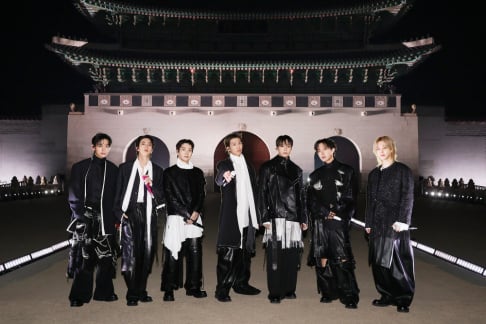
The full group comeback of BTS is expanding beyond a music event into a large scale economic phenomenon.
Starting with the “BTS Comeback Live: Arirang” concert set to take place on March 21 at Gwanghwamun Square in Seoul, the project is expected to draw hundreds of thousands of attendees. The event is already projected to boost tourism related spending across sectors such as aviation, hospitality, retail, and dining, driving increased revenue throughout the city.
The impact is expected to extend globally. Beginning in April, BTS will launch a major world tour starting at Goyang Stadium, followed by stops across North America, Europe, South America, and Asia. The tour will span 34 cities and 82 shows, with millions of attendees anticipated.
Industry analysts estimate that the project could generate trillions of won in direct revenue, including ticket sales, merchandise, and content distribution. When factoring in additional consumer spending per attendee, the tour is expected to create a high value economic structure that goes beyond traditional concert revenue.
Indirect effects are also drawing attention. The so called “BTSnomics” phenomenon—where large scale concerts stimulate local economies through surges in tourism and consumption—is likely to reemerge. Previous BTS concerts have significantly boosted city level economic indicators, with estimates suggesting that a single major concert can generate hundreds of billions to over a trillion KRW in economic impact.
The comeback also signals a shift in distribution strategy. With the Gwanghwamun concert expected to be streamed globally via OTT platforms, BTS is expanding beyond traditional fandom driven consumption into the broader mass market. This opens opportunities for additional revenue streams including streaming, secondary content consumption, advertising, and brand collaborations.
Industry observers are calling this phase “BTSnomics 2.0,” marking a transition from fandom expansion to monetization of accumulated global demand.
Ultimately, BTS’s comeback is being viewed as more than an artist’s return—it is a major event influencing the broader K-pop industry and global economy, once again highlighting the group’s unparalleled impact.
 SHARE
SHARE