A new wave of undisclosed advertising allegations appears to be emerging within the entertainment and YouTube industry, echoing the major controversy that shook the sector several years ago.
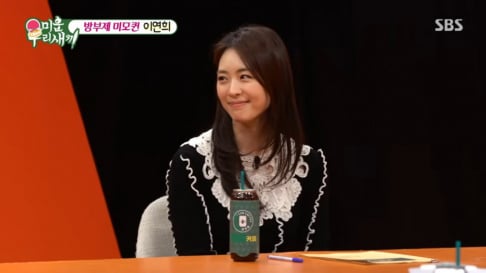
Internal documents show that an advertising agency allocated tens of millions of KRW for YouTube videos featuring top stars Go So Young and So Yi Hyun, although the videos did not contain any disclosure indicating that they were paid promotions.
According to data obtained on December 4, the medical device company Lutronic created a marketing plan for its beauty device XERF, which included detailed spending assignments for well-known celebrities. The section titled 'Celebrity Content' records an execution cost of 50 million KRW (approximately 34,000 USD) for content featuring Go So Young, scheduled for release on August 1, 2025. For So Yi Hyun, the document lists 25 million KRW (approximately 17,000 USD) for content released on September 23 and 86 million KRW (approximately 58,400 USD) for branded content posted on October 28.
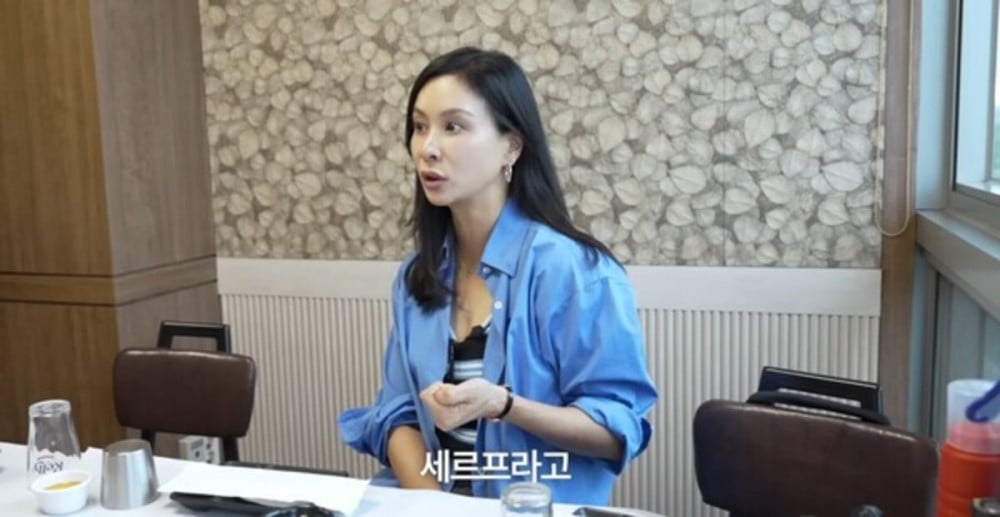
The documents also indicate that several makeup artists and influencers were allocated multimillion-KRW budgets, and that viral postings on various online communities were included in the campaign’s spending plan. On the dates specified in the file, the celebrities’ official YouTube channels uploaded videos introducing the XERF product.
However, a review of the videos found no disclosure statements such as “Paid Advertisement,” “Sponsored,” or “Includes Paid Promotion,” which are required under the Korea Fair Trade Commission’s guidelines on endorsements and advertising. These guidelines mandate that any economic relationship between a content creator and an advertiser be clearly stated.
Despite the internal documents showing payments amounting to tens of millions of KRW, the publicly available videos were presented as if the celebrities were voluntarily sharing their personal experiences with the product.

This situation closely resembles the 2020 undisclosed advertising scandal, when many public figures received payment for promotional content without properly marking it as advertising, sometimes presenting sponsored products as personally purchased items. That incident triggered significant public criticism and regulatory action, leading the Fair Trade Commission to revise its guidelines to require explicit disclosure of financial ties.
The Excel file obtained for review is not an informal note. It appears to be an official report titled 'Viral Integrated KPI,' which meticulously tracks targets and performance metrics such as view counts, likes, and comments. Notably, the section labeled “Paid Advertising Execution” contains an “X,” indicating that the campaign focused on marketing that appeared organic rather than officially placed advertisements.
An industry insider noted that undisclosed advertising involving celebrities or influencers remains an area of close scrutiny for both the Fair Trade Commission and the National Tax Service. The insider also remarked that the presence of specific payment amounts in an internal document serves as strong evidence suggesting that monetary transactions likely took place.
SEE ALSO: EXCLUSIVE [INTERVIEW] NOWZ reflects on their Japanese debut with 'NOWZ' and recent concert milestone
 SHARE
SHARE