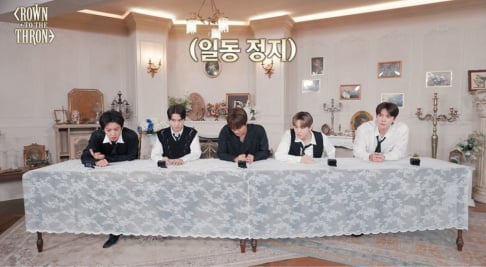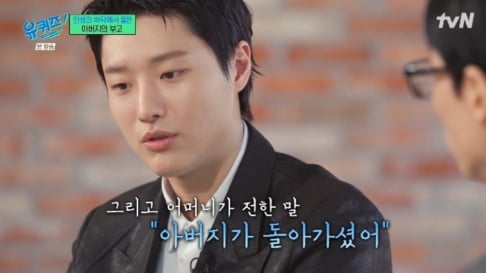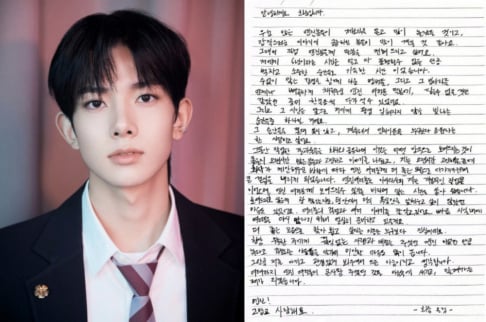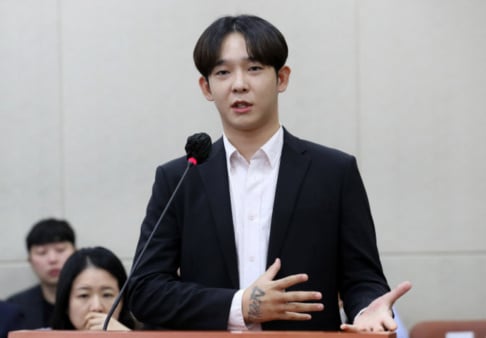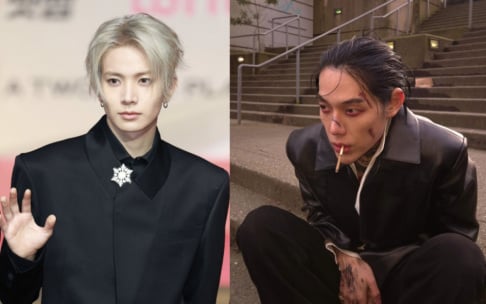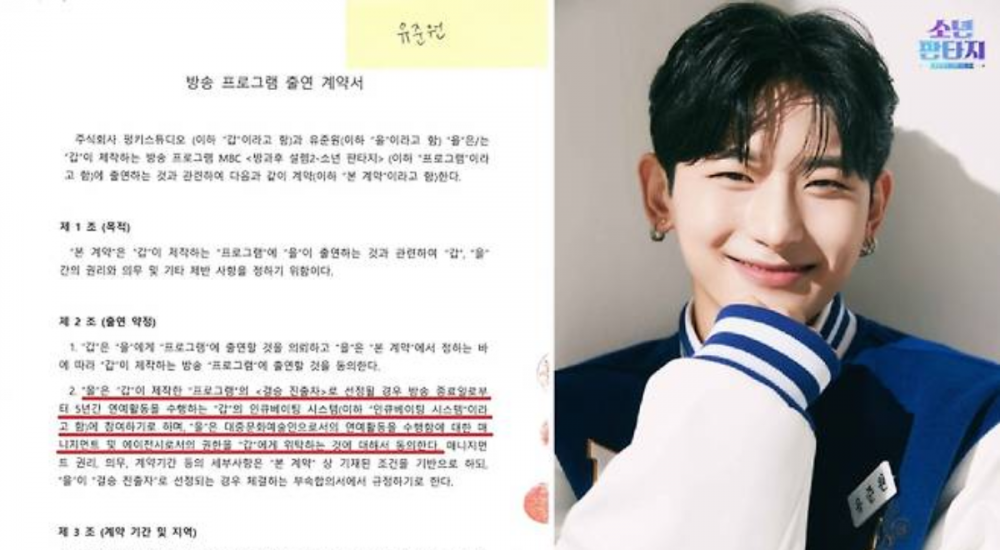
Phunky Studio, the producer of the audition program 'Fantasy Boys', and former contestant Yu Jun Won remain locked in a complex legal battle involving conflicting interpretations of their previous negotiations. On February 8, 2026, Phunky Studio disclosed details of a May 2024 meeting between Kim Kwang Soo, head of PocketDol Studio, and the parents of Yu Jun Won. The agency claims it proposed reducing the mandatory five-year exclusive contract to one year to resolve the artist's departure. However, the company asserts that Yu Jun Won countered with a demand for a three-month contract and a 6:4 profit-sharing ratio in his favor, leading to a breakdown in talks and a subsequent 3 billion KRW (approx. $2.2 million USD) damages lawsuit filed by the agency.
In response, Yu Jun Won and his legal representative, Bae, Kim & Lee LLC, have challenged the agency’s characterization of his recent activities as "unauthorized." According to a legal review of the court's previous injunction ruling released on February 4, the court noted that while an "abstract agreement" existed regarding a five-year management period, a formalized and specific exclusive contract had never been signed. The legal team argues that because no binding contract exists, Yu Jun Won is legally free to pursue independent activities, such as his solo fan meeting in Japan. They further contended that Phunky Studio’s lawsuit for damages—based on the claim that the artist refused to sign a contract—is a functional admission by the agency that a valid exclusive agreement was never finalized.
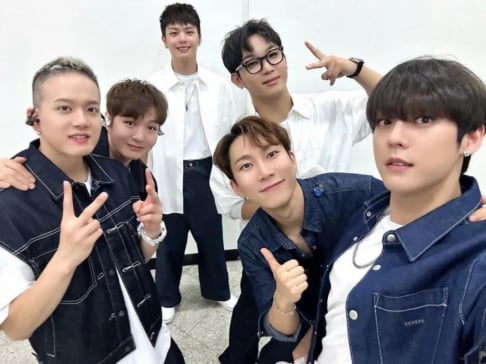
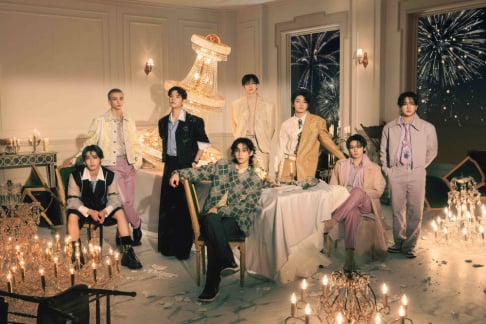
These disputes are occurring as PocketDol Studio manages several other legal challenges from its artists. In November 2025, six active members of FANTASY BOYS filed for an injunction to suspend their exclusive contracts, citing issues with financial transparency and dormitory management. Additionally, Doha of the group BAE173 is seeking to nullify his contract over similar claims of unpaid settlements. Regarding these allegations, the agency has stated that certain issues, such as reported utility disruptions and payment delays, were the result of administrative errors rather than intentional neglect. As the Seoul Central District Court continues to hear these separate cases, the final rulings are expected to provide legal clarity on the contractual obligations between the agency and its various performers.
SEE ALSO: BAE173 drops “Always, Stood Still” MV as a special live-only gift for ELSE
 SHARE
SHARE