From backstage selfies to casual fan posts, K-pop idols are quietly redefining how blemishes are seen — not as flaws to hide, but as details to style.
It only took one selfie to spark the latest moment.
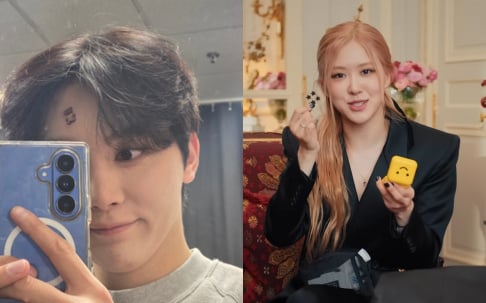
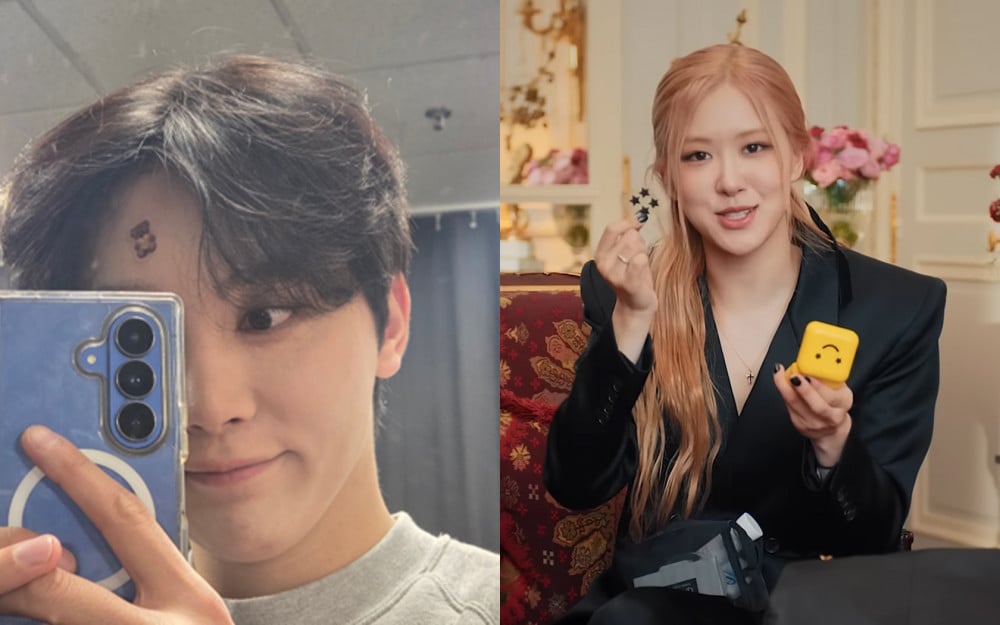
Last November, Seventeen’s Seungkwan uploaded a mirror photo to Weverse with a short caption: “Patches are kind of fascinating these days.” On his forehead was a small bear-shaped pimple patch, easy to miss unless you were looking closely.
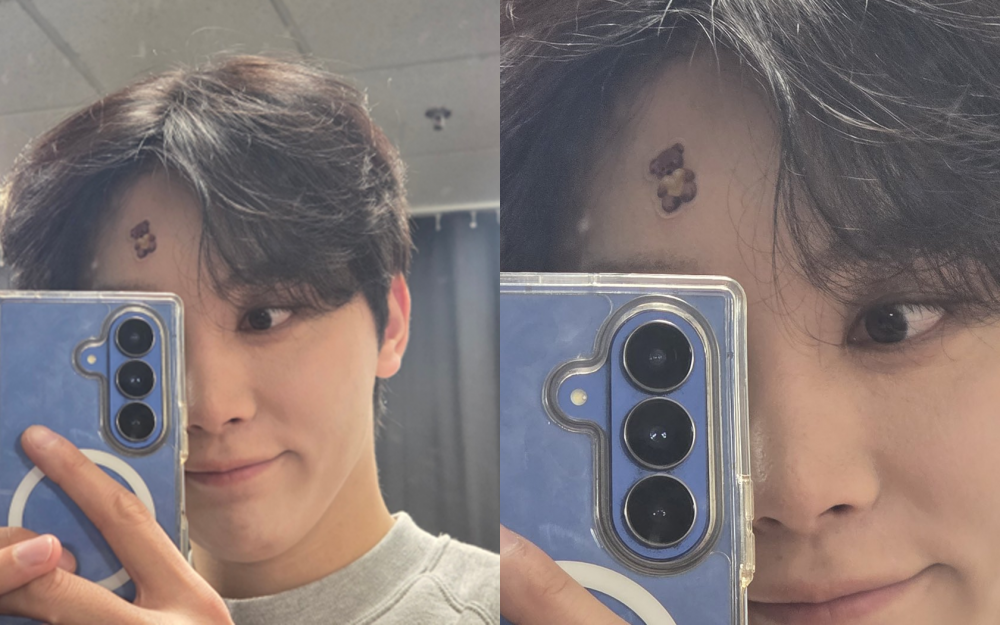
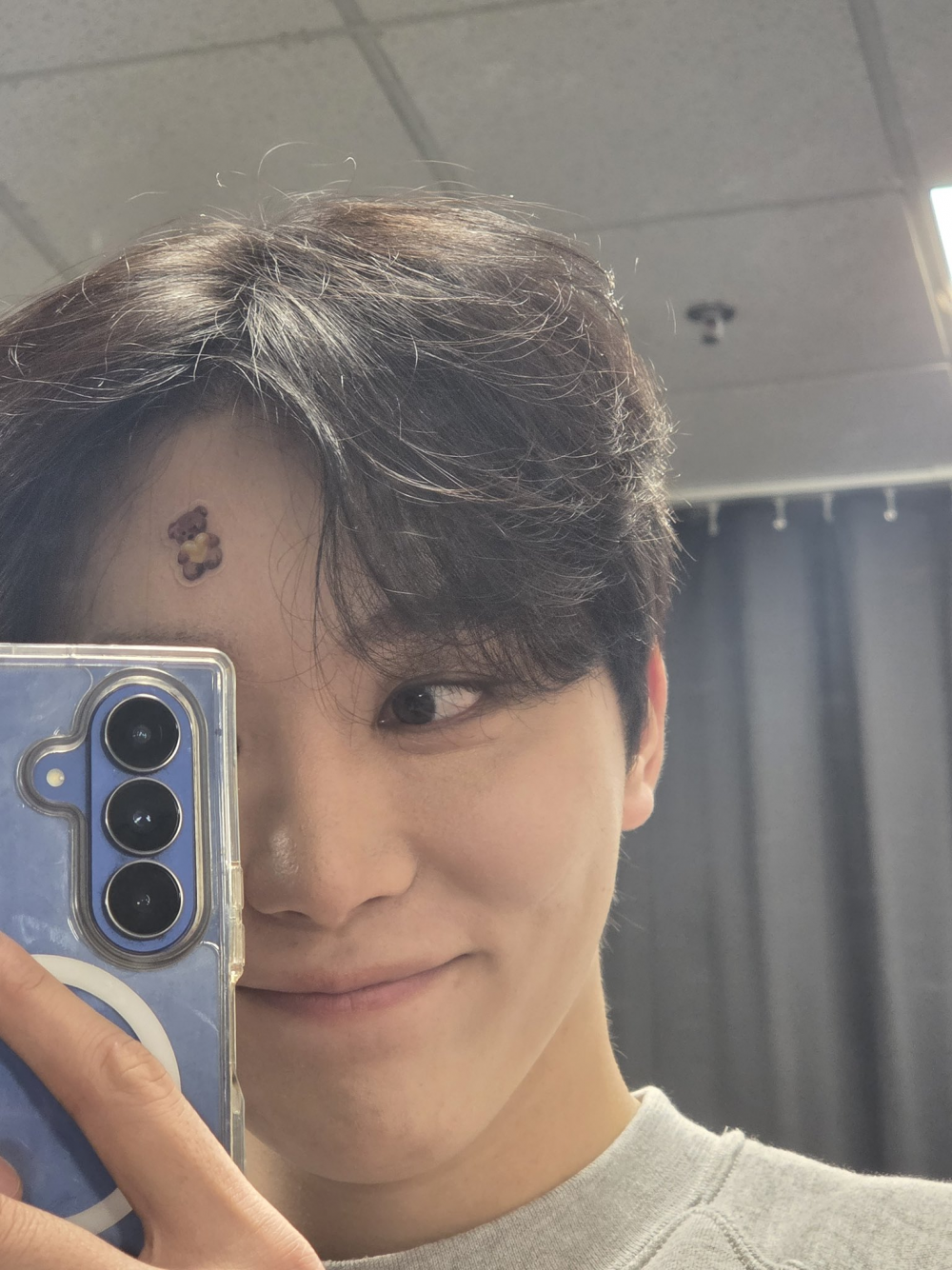
Fans, of course, were looking closely.
Within hours, CARATs across platforms began pointing it out, zooming in, and asking where it came from. What followed felt familiar to anyone who has watched K-pop fandoms move in real time: curiosity turned into collective action. Fans tracked down the exact design, shared links across countries, and monitored restocks like limited-edition merchandise. The object itself was small, almost incidental. The reaction was anything but.
Fans quickly tracked down the bear-shaped patches, part of SINSURU’s lineup of playful, character-like designs. Whether intentional or not, Seungkwan’s post was enough to send fans searching.
Moments like this have become increasingly common.
BLACKPINK’s Rosé has, for years, appeared with star-shaped pimple patches in selfies and behind-the-scenes moments. She never framed them as a statement, but fans read them that way anyway. Images of her wearing the patches circulated widely, crossing Korean, Chinese, and Western social platforms at once. What might have once been edited out of a photo instead became part of the look.


That shift is key.
For earlier generations, blemishes were something to conceal, especially in celebrity imagery. But a growing number of artists — particularly those closely connected to their fans through platforms like Weverse, Instagram, and livestreams — are showing a different approach. The pimple patch, once purely functional, is now visible, sometimes even playful.
It fits naturally within K-pop’s broader visual culture. Small details have always carried meaning: accessories, nail art, stickers on phones, and custom in-ear monitors. Fans are used to noticing and decoding these elements. A tiny patch on an idol’s face becomes another point of connection, another detail to recognize and share.
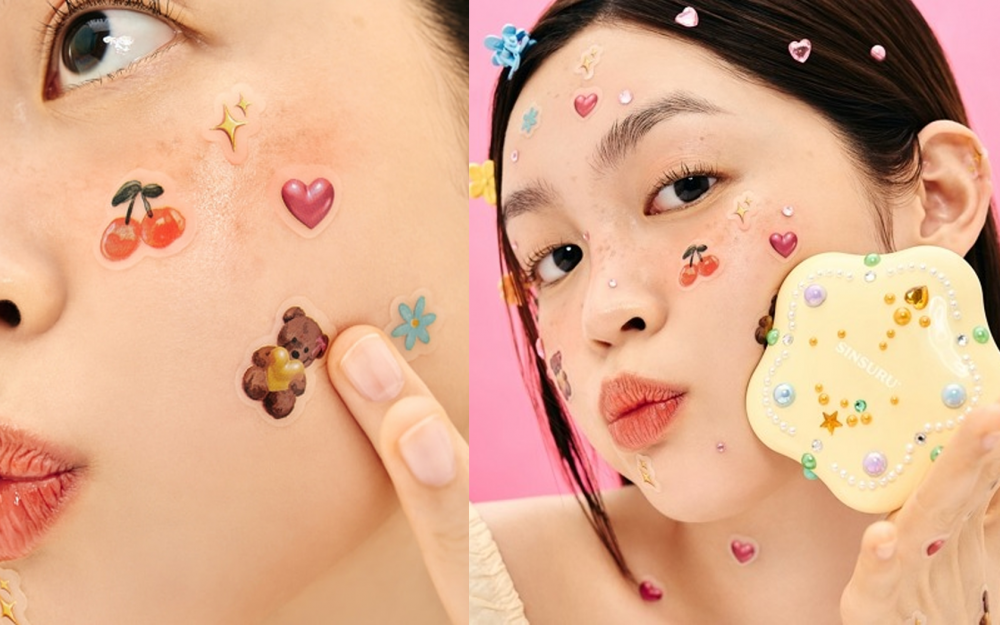
That’s why Seungkwan’s post resonated so quickly. It wasn’t just about the patch itself, but about the intimacy of the moment — a casual, unfiltered glimpse that fans could engage with.
The same dynamic helps explain why these moments travel far beyond Korea. When Rosé appeared with star-shaped patches, the images didn’t stay within one fandom or region. They moved fluidly across global platforms, carried by fans who were already fluent in this kind of visual storytelling.
Even outside of K-pop, the shift is becoming more visible. Celebrities like Hailey Bieber have embraced the look publicly, signaling how far the perception has changed. But within K-pop, the groundwork had already been laid through years of casual, unstyled moments shared directly with fans.
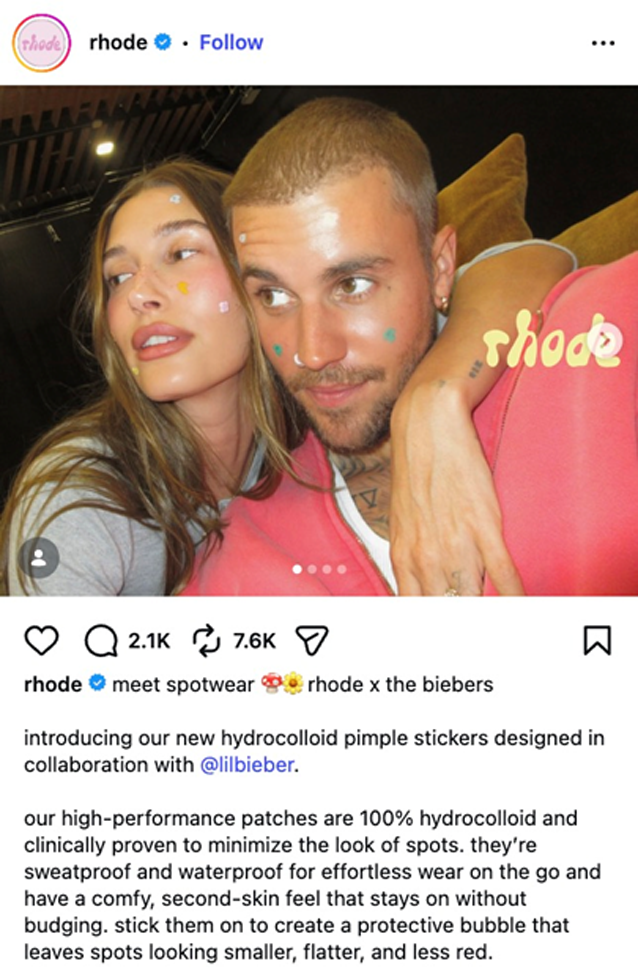
What’s emerging isn’t just a beauty trend, but a change in attitude.
Instead of hiding imperfections, idols are increasingly leaving them in frame — sometimes covering them, but not disguising them. Fans, in turn, don’t see these details as flaws. They see them as part of the person they support.
And in an ecosystem where a single selfie can ripple across continents, even the smallest detail can take on a life of its own.
The next time an idol posts a photo, fans will do what they always do: look closely.
SEE ALSO: BLACKPINK wins with “GO!” on ‘Inkigayo’ + performances from ONEW, Baby DONT Cry, and more!
 SHARE
SHARE