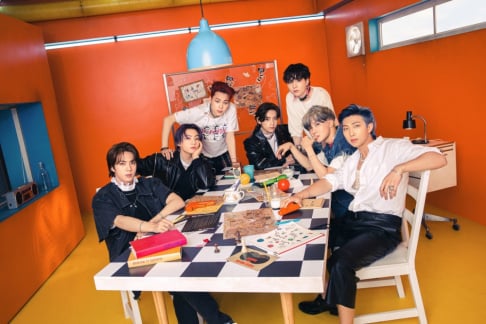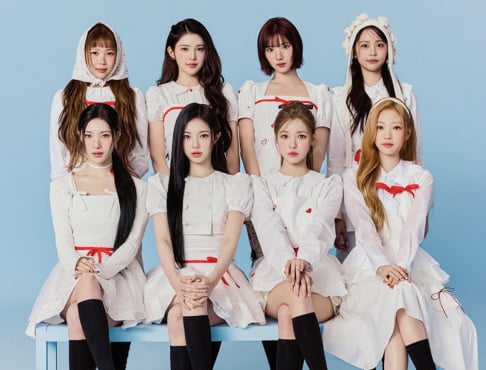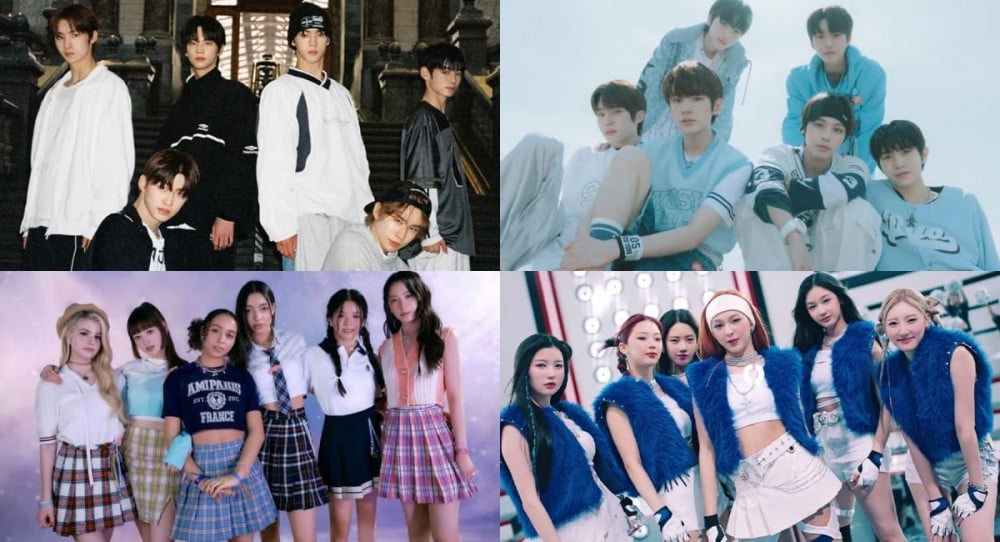
Let’s face it—unless you’re constantly in the public eye or backed by a major entertainment company, the likelihood of having a K-Pop career that lasts more than five years is quite slim. This is a gamble every aspiring idol takes when stepping into the world of Korean entertainment. It’s a fast-paced, cutthroat environment where trends change at lightning speed and audiences constantly crave something new. As a result, many groups fade away after just a few years.
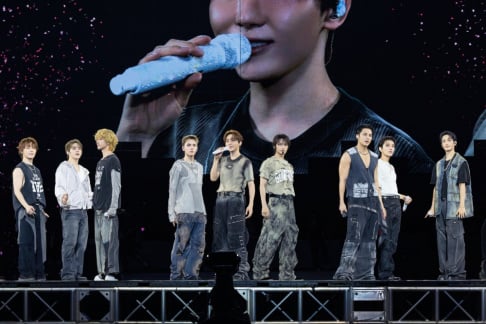
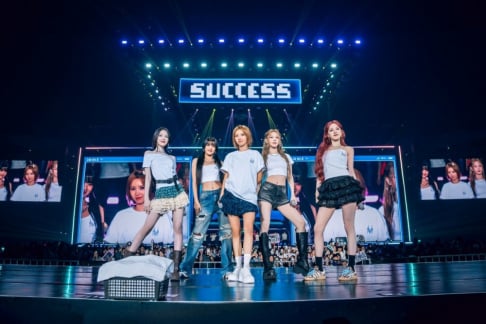
Yet, one must wonder if it really has to be that way. Especially now, as more of the “older generation” idol groups are making solid returns—examples include the likes of GOT7, 2NE1, and, more recently, GFriend. Is this simply a short-lived trend fueled by nostalgia, or could it represent a permanent shift in the industry? If older idols continue to attract massive interest and sold-out concerts, they might very well be proving that age does not matter and that long-term careers in K-Pop are possible.
The Oversaturated Market
One crucial factor affecting a group’s longevity is the sheer volume of competition they face within the ever-expanding K-Pop scene. With the genre’s global popularity at an all-time high, entertainment companies are debuting new groups at a rapid pace—sometimes it seems like there’s a fresh debut practically every week. This oversaturation makes it difficult for fans to keep track of all the comebacks, performances, and promotional activities happening at once. At the same time, existing groups can easily be overshadowed as they struggle to maintain visibility and relevance. In response, many netizens have criticized entertainment companies for placing short-term profit over long-term artistic development, arguing that a relentless focus on debuting new idols leaves little room for older artists to evolve and refine their craft.
Others say that these companies should invest more heavily in their current roster of artists—providing them with additional albums, world tours, and fan engagement opportunities. By focusing on consistent releases and well-planned promotions, groups can strengthen their identity and build a loyal fanbase over time. This strategy could also help mitigate the risk of market fatigue by allowing fans to deepen their connections with established acts. Ultimately, investing in quality content and thoughtful marketing for existing idols may lead to greater longevity and stability in a highly competitive industry.
The Power of Legacy and Nostalgia
From a marketing standpoint, newer groups naturally capture the attention of younger audiences. Yet, the recent surge of interest in older acts highlights the powerful draw of nostalgia. Fans who once followed these groups during their early years are now older and often have more disposable income. They are willing to spend money on concert tickets, official merchandise, and even international tours. This proves that a loyal and passionate fanbase can breathe life into a group’s career long after their initial debut.
Entertainment companies, however, sometimes overlook this loyalty, focusing instead on the next big debut. While it’s understandable from a business perspective, it can inadvertently shorten the careers of established idols. This is unfortunate because, as we’ve seen with the positive responses to reunions and comebacks, longevity is within reach when there’s fan demand and sufficient promotion.
Looking Toward the Future
The hope now is that fourth- and fifth-generation idols will also be able to enjoy extended careers. As more second- and third-generation groups successfully return to the spotlight, they set an example for today’s rising stars: longevity is indeed possible if there is enough support from both fans and agencies.
Ultimately, the K-Pop industry is evolving. While there will always be a demand for fresh faces, the roaring success of older groups proves that fans are eager for nostalgic comebacks and seasoned performers. With more idol reunions on the horizon, we may well witness the dawn of a new era in which age is no longer a limiting factor—and where once-forgotten groups can take the stage again to thunderous applause.
 SHARE
SHARE