A new side to Park Na Rae's latest controversy has been revealed, and the comedian has found herself at the center of a renewed discussion.
The newest discussion surfaced after reports were made that Park Na Rae had given her managers expensive luxury gifts. It was also revealed that the managers, in turn, had presented her with equally thoughtful and costly items.
On December 24, YouTuber Lee Jin Ho uploaded a video giving a different perspective on the Park Na Rae power abuse controversy. In the video titled, 'Chanel Watch and Code Kunst Lunch Boxes... Manager abuse controversy! Park Na Rae's two faces,' Lee Jin Ho claimed that some of the cooking scenes featuring Park on MBC’s variety show 'I Live Alone' were actually prepared by her managers. However, he emphasized that the situation was not one-sided.
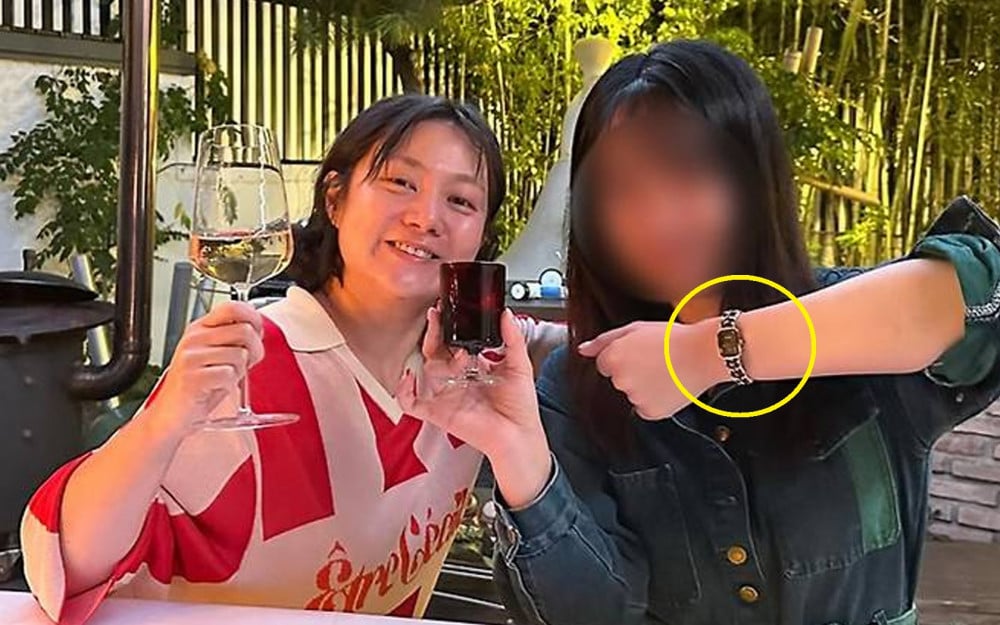
“Was Park Na Rae really only guilty of mistreating her managers? That’s not entirely true,” Lee said. “She paid them performance bonuses and gave them additional money during holidays. The managers themselves acknowledged this. She even gave them Chanel bags and Chanel watches. By any standard, that’s very generous treatment.”

According to Lee Jin Ho, the managers also recognized Park’s generosity and made significant efforts to reciprocate. “The managers admitted this as well, but they said they also did their best. To give her gifts worthy of her kindness, they saved up their modest salaries to buy her Chanel shoes. They pooled their paychecks to send snack trucks and coffee trucks, and even gifted her Dom Pérignon champagne,” he explained.
Lee added that whenever Park opened her home bar, known as “Narae Bar,” wine glasses were frequently broken. “Each wine glass costs around KRW 200,000, and they gifted her about 10 of them. Looking at this, you can see there were plenty of good memories and mutual appreciation between them,” he said.
So what ultimately caused the conflict to erupt?
According to Lee, Park had provided her managers with a corporate credit card. However, the core issue behind the unpaid expenses centered on cash. “The main problem with the unpaid balance was cash,” Lee explained. “Things like valet parking fees or snacks Park liked to buy at traditional markets—hotteok, bungeoppang—were paid for out of pocket. These expenses piled up to several hundred thousand won each month. In most companies, cash expenses are settled on payday.”
He continued, “From the managers’ perspective, their salaries weren’t particularly high to begin with. Even after repeatedly requesting reimbursement, they weren’t paid, and that accumulated into unpaid expenses.”
Repeated delays in salary payments also contributed to the tension. Lee said, “Park Na Rae never failed to pay wages altogether, but there were frequent delays of one or two days. One manager even sent a message saying, ‘Yesterday was payday—will it come in today?’”
According to Lee, Park reportedly responded, “I’ll pay when the time comes. Do you really have to message me about salary every time? I’m busy, and I’m not feeling well either—please consider my situation too.”
Altogether, the details point to a relationship that included genuine generosity but also growing financial strain, shedding new light on the dispute between Park Na Rae and her former managers.
SEE ALSO: Park Na Rae completes second police probe in alleged abuse case, issues apology
 SHARE
SHARE