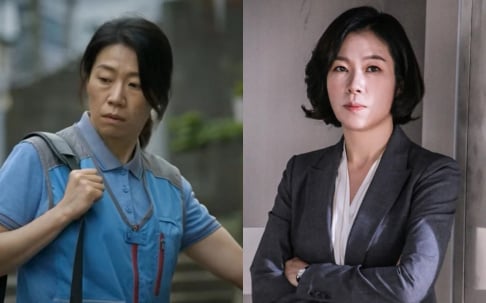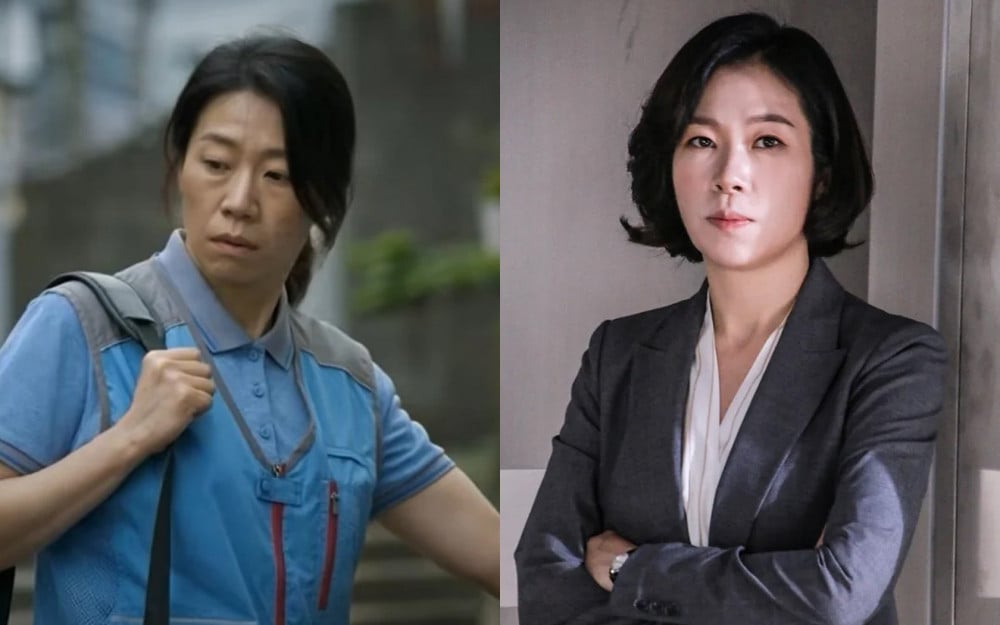
Veteran actress Yeom Hye Ran has fallen victim to an AI deepfake-related violation of her portrait rights, signaling that concerns once raised during Hollywood’s labor strikes are now becoming a reality in the Korean film industry.
On March 31, a representative from her agency Ace Factory told OSEN, “We have confirmed that an AI-generated video using actress Yeom Hye Ran’s likeness without authorization was uploaded to YouTube today. Our company had no prior discussion or consent regarding the production of this video, and it has since been set to private and removed.”
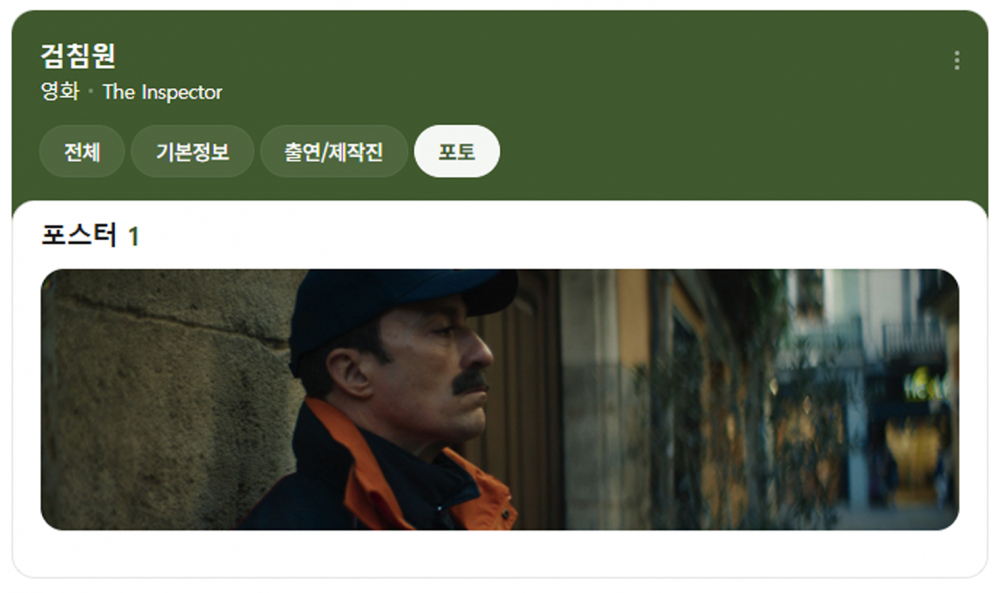
Previously, the AI-produced film 'The Inspector' drew attention for featuring a lead character resembling Yeom Hye Ran. The production had stated that it used AI to recreate a real actress’s face. During this process, it was presented as though permission had been obtained to use Yeom Hye Ran’s likeness; however, that was not the case. Her agency has since taken action.
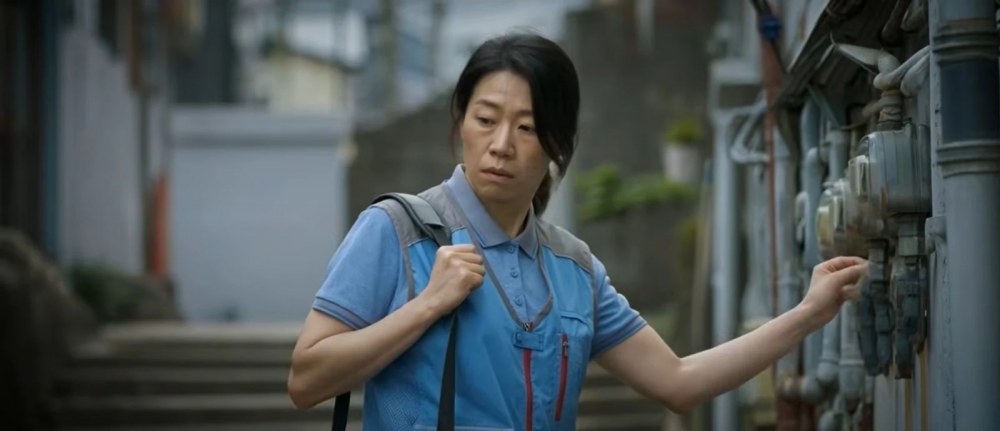
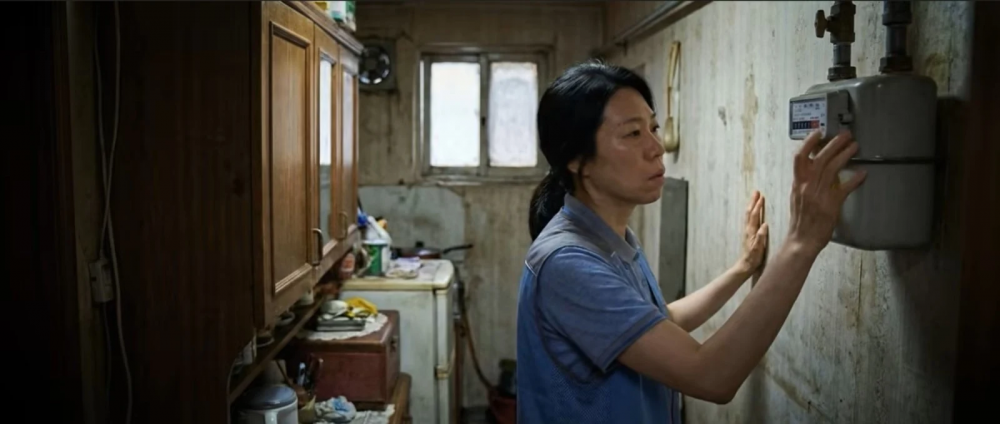
Yeom Hye Ran is a well-known actress who has built a strong presence through numerous acclaimed performances. Clips of her portrayal of Gwang Rye, Ae Soon’s mother in the Netflix series 'When Life Gives You Tangerines,' released last year, are still widely circulated on social media. She recently met audiences through the film 'Mad Dance Office,' which premiered on March 4, and is set to return to the big screen again with 'My Name,' scheduled for release on April 15.
Even an established actress like Yeom Hye Ran has now become a victim of portrait rights infringement and unauthorized AI deepfake usage. As artificial intelligence is increasingly integrated into film production, concerns over violations of actors’ likeness rights are no longer hypothetical—they are unfolding in reality.
These risks were anticipated from the early stages of AI adoption. The issue first gained global attention during the massive Hollywood strikes of 2023. What began in May with the Writers Guild of America expanded into a large-scale industry shutdown when the actors’ union joined in July. The strikes brought major film productions and entertainment studios to a halt, with one of the biggest concerns among industry professionals being the emergence of “AI-generated scripts” and “AI actors.”
The fear was that if major studios actively incorporated AI not just as a supporting tool but across the entire production process, it could severely undermine writers’ creative rights and infringe on actors’ likeness rights. Additionally, concerns were raised that writers and actors—already disadvantaged in a revenue structure heavily skewed toward production companies and platforms—would face even greater harm.
To prevent this, globally recognized actors joined protests. Daniel Radcliffe, known for the 'Harry Potter' series, notably participated in a picket in New York alongside his girlfriend while holding their three-month-old son, drawing widespread attention.
Ultimately, the Hollywood strike ended on November 9 of that year after approximately 118 days. The agreement included increases in minimum wages, higher residual payments for streaming content, and strengthened contributions to health and pension plans. Most notably, it established new rules regarding the use of artificial intelligence—one of the central issues of the strike.
Despite Hollywood’s proactive large-scale action, Korea is now facing the very concerns it sought to prevent, as even high-profile actors experience violations of their likeness rights. The situation underscores the urgent need for concrete and proactive measures to address the misuse of AI technology.
SEE ALSO: EXCLUSIVE [INTERVIEW] NOWZ reflects on their Japanese debut with 'NOWZ' and recent concert milestone
 SHARE
SHARE