K-dramas have a unique way of turning everyday meals into unforgettable scenes. Whether it’s lovers sharing Tteokbokki at a street cart or friends bonding over Korean BBQ after a long day, food often becomes the backdrop for laughter, tears, and confessions. These dishes are the delicious silent co-stars that help shape some of the most memorable moments in Korean dramas.
Here are 10 foods frequently seen in K-dramas that bring everyday Korean life to the screen and often tempt viewers with their delicious appeal.
Ramyeon
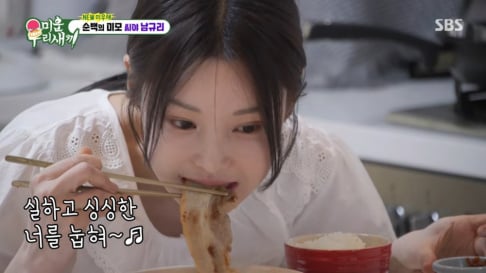
Ramyeon is featured in almost every K-drama, often stealing the spotlight like a supporting character of its own. The famous phrase “Do you want to eat ramyeon?” has even become a playful cultural reference, often hinting at romantic tension between characters. Watching characters slurp steaming noodles straight from a pot is enough to make viewers crave a bowl themselves.
Tteokbokki
Spicy, sweet, and incredibly addictive, tteokbokki is a beloved Korean street food often shown in casual hangout scenes. Characters frequently grab a cup of these chewy rice cakes from street vendors while chatting with friends or going on lighthearted dates. Its bright red sauce and comforting warmth perfectly capture the lively energy of Korean street food culture, making it popular around the world.
Jjajangmyeon
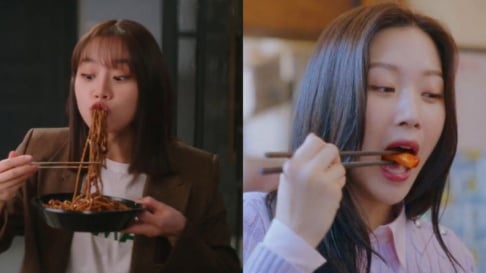
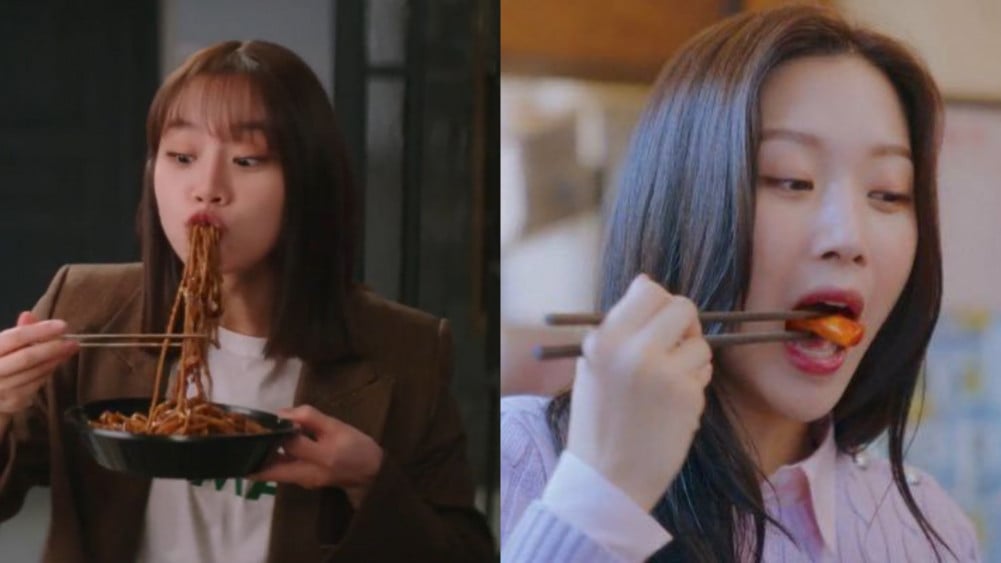
Jjajangmyeon is a popular noodle dish that carries a mix of cultural and emotional symbolism. In dramas, it’s often shown being delivered to apartments in classic metal bowls or eaten during casual meals with friends. The dish is also famously associated with singles on Black Day, when people who didn’t receive gifts on Valentine’s Day or White Day gather to eat Jjajangmyeon together.
Gimbap
Gimbap frequently appears in K-dramas as a lunchbox food packed with care by parents or loved ones. These colourful rice rolls filled with vegetables, egg, and meat are easy to carry, making them perfect for school trips, work lunches, or heartfelt gestures. Scenes where characters share homemade Gimbap often highlight warmth, family bonds, and affection.
Kimchi
No Korean meal feels complete without Kimchi, and K-dramas reflect this reality. Whether it’s served alongside rice, noodles, or grilled meat, kimchi appears in countless dining scenes. It’s not only a staple side dish but also a symbol of Korean culinary heritage. Many dramas often feature family traditions like making kimchi together.
Seaweed Soup
Seaweed soup, known as miyeok-guk, carries special cultural meaning. In Korea, it is traditionally eaten on birthdays and by mothers after childbirth. In K-dramas, characters often prepare seaweed soup for someone they care about on their birthday, making the dish a touching symbol of love, gratitude, and celebration.
Soft Tofu Stew
Made with soft tofu, vegetables, and seafood or meat Soft Tofu Stew is a spicy, comforting food. In K-dramas, it’s often shown bubbling in stone pots at cozy settings. Characters gather around steaming bowls of this hearty dish during heartfelt conversations or after long days, highlighting the comforting nature of Korean foods.
Korean BBQ
Few K-drama meals look as satisfying as Korean BBQ. Scenes set at barbecue restaurants often feature sizzling pork belly or beef cooking right at the table while characters laugh, drink, and bond. These moments typically show friendships strengthening, workplace gatherings, or characters celebrating big milestones together.
Fried Chicken
Crispy Korean fried chicken became globally famous after appearing in many dramas. Characters frequently enjoy fried chicken during late-night hangouts, emotional conversations, or casual celebrations. Its crunchy texture and flavourful sauces make it one of the most mouthwatering foods repeatedly featured on screen.
Corndogs
Corndogs are an increasingly popular addition to K-drama food scenes. Often coated in crunchy toppings like potatoes or sugar, these street snacks are commonly seen during fun outings or date scenes. Their playful appearance perfectly matches the cheerful vibe of youthful moments in many modern dramas.
Which K-drama food is your favourite? Let us know in the comments below!
SEE ALSO: Culinary Class War's star chef Park Eun Young reveals upcoming marriage
 SHARE
SHARE